
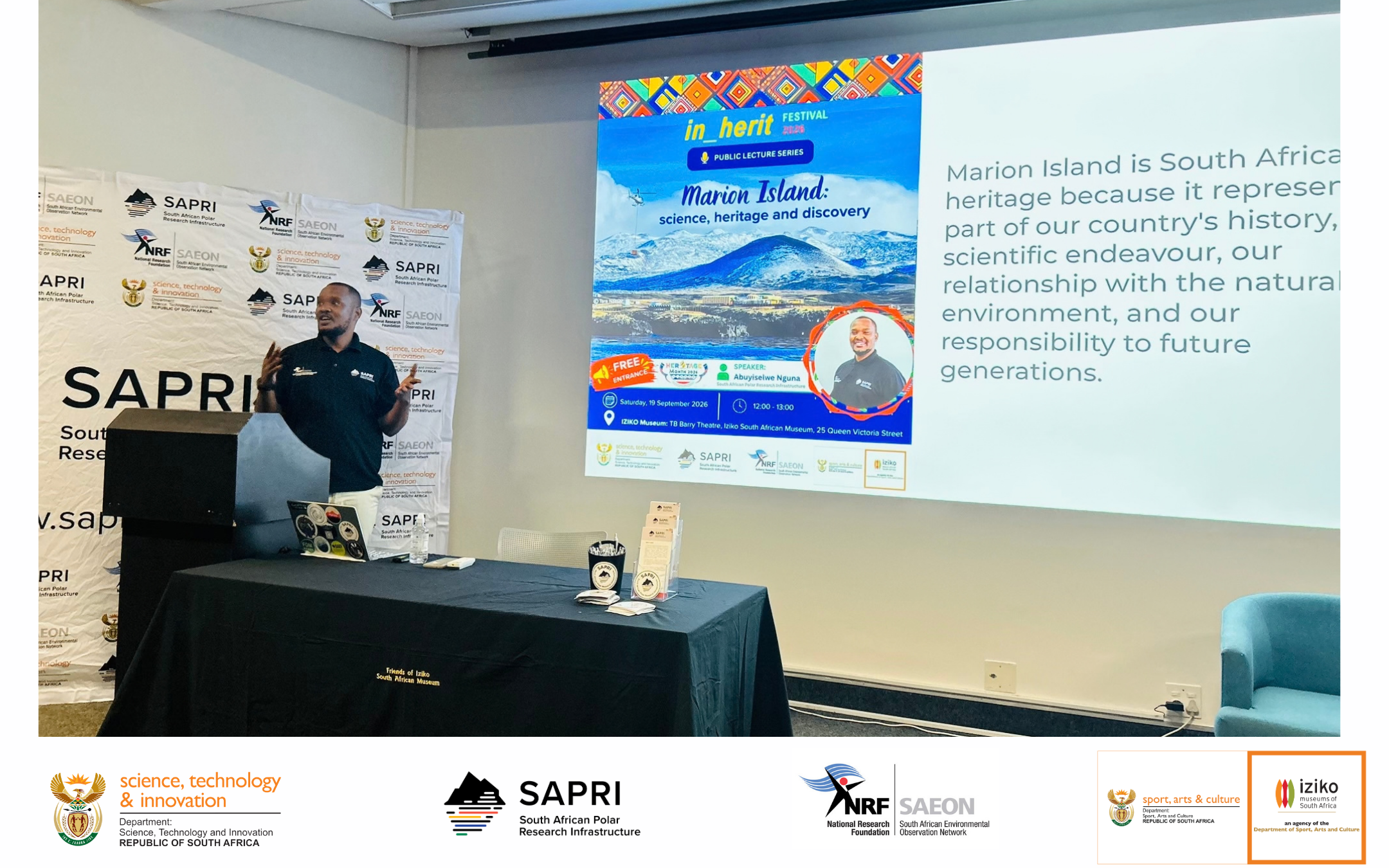
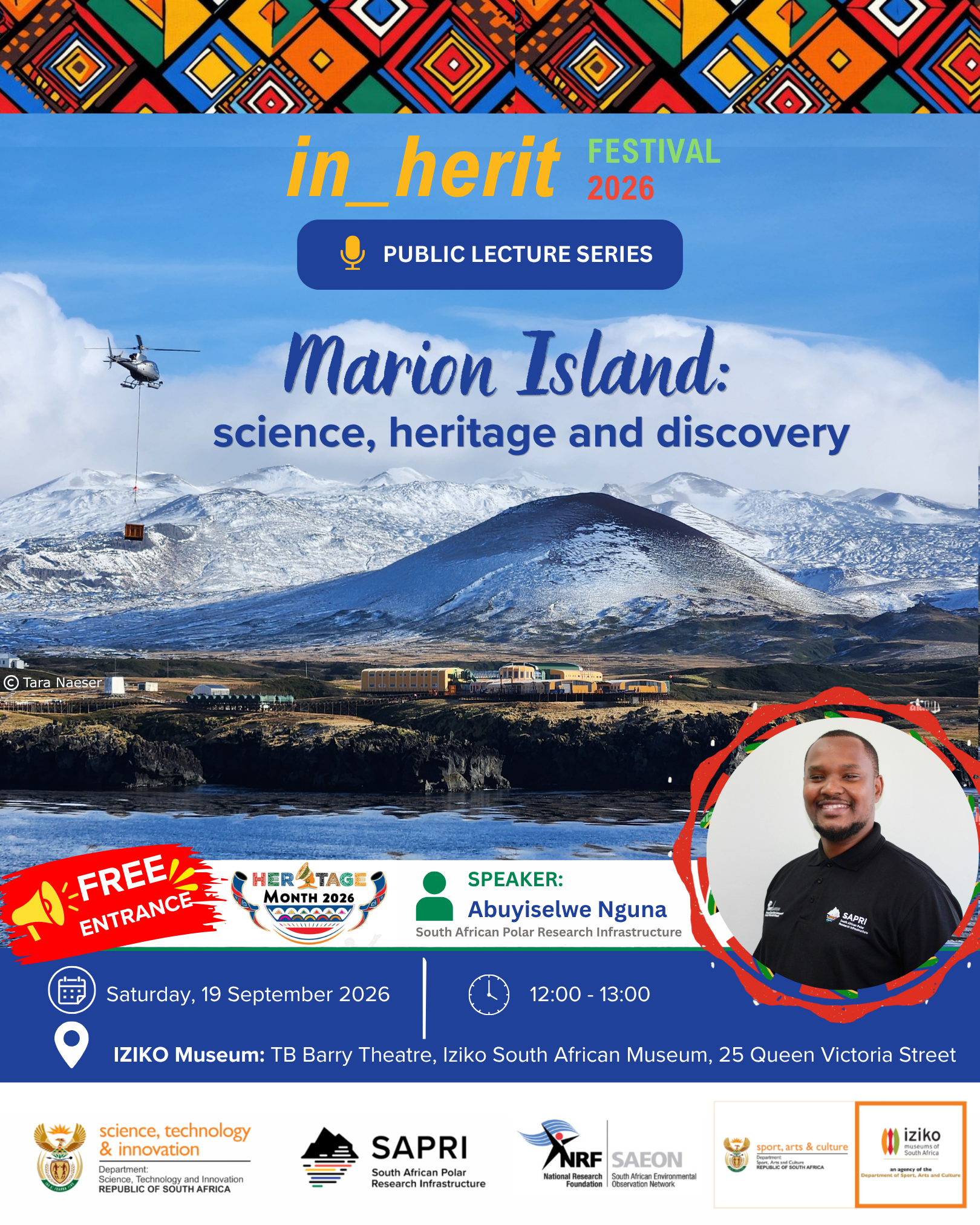
In celebration of Heritage Day, we collaborated with the Iziko South African Museum on its In_Herit Festival 2026: Public Lecture Series. As part of the series, our LTO-Land Research Coordinator, Abuyiselwe Nguna (fondly known as Abu), delivered a public lecture on 19 September 2026 at the Iziko South African Museum in Cape Town.
Titled “Marion Island: Science, Heritage and Discovery,” the lecture took the audience on a journey through the island’s remarkable history, scientific legacy and significance to South Africa.
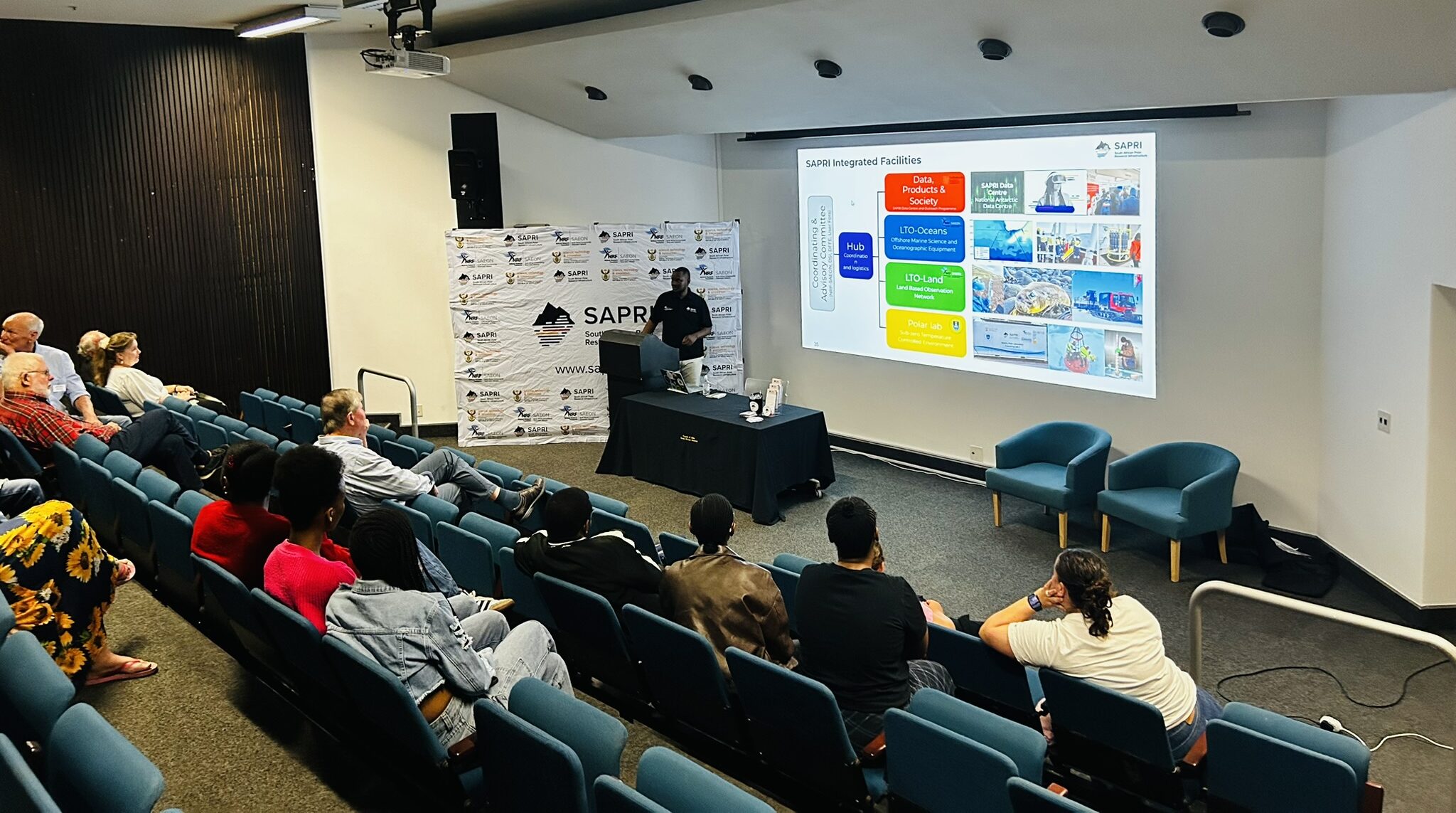
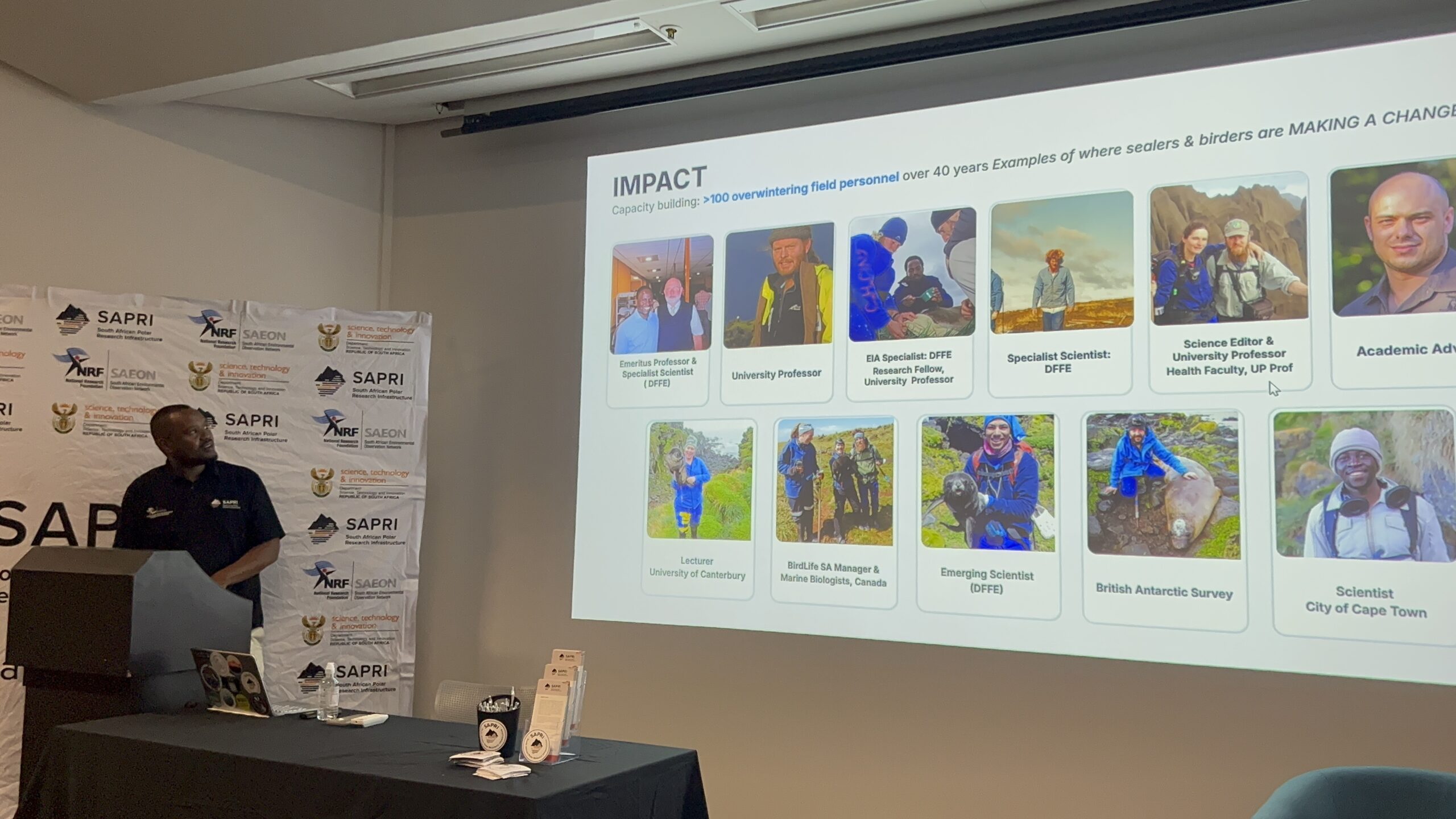
Speaking to a diverse audience of up to 30 members of the public, Abu drew on both his scientific expertise and personal experience of Marion Island. Having overwintered on the island twice, he offered a unique perspective on its remarkable environment and biodiversity, as well as the people who dedicate their lives to understanding and protecting this special place.
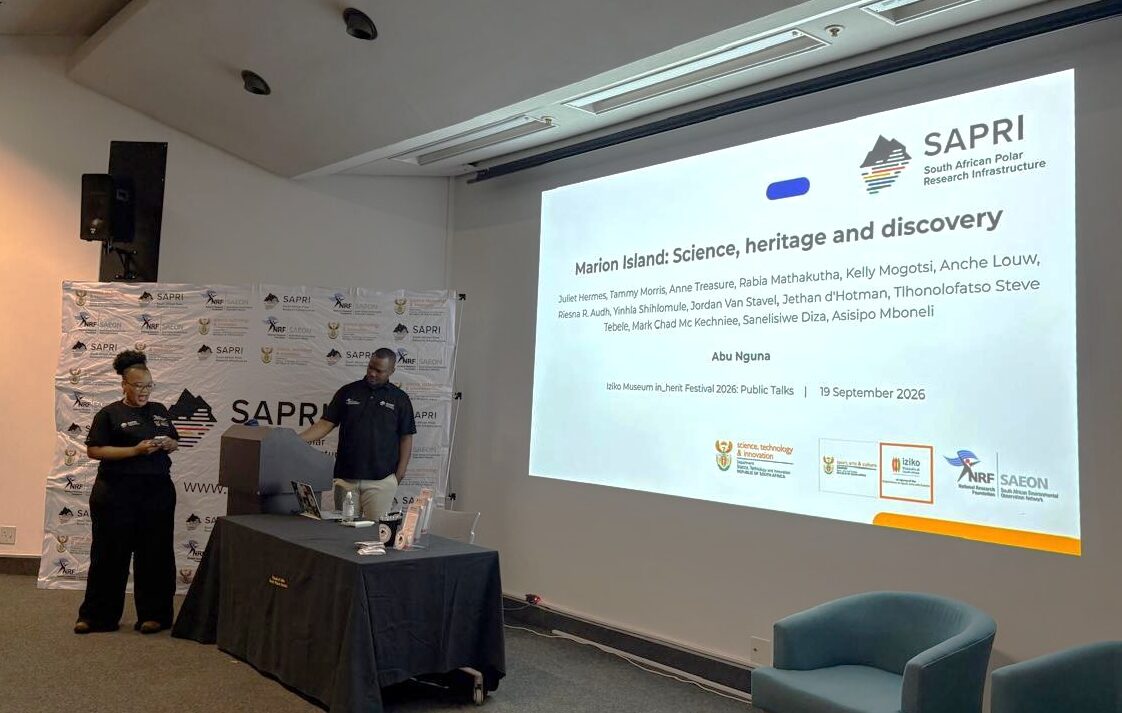
Our Engagement Officer, Kelebogile Kelly Mogotsi, gracefully introducing the speaker, Abu Nguna
Opening with a powerful reflection, Abu shared that “Marion Island is South Africa’s heritage because it represents part of our country’s history, scientific endeavour, our relationship with the natural environment, and our responsibility to future generations.”
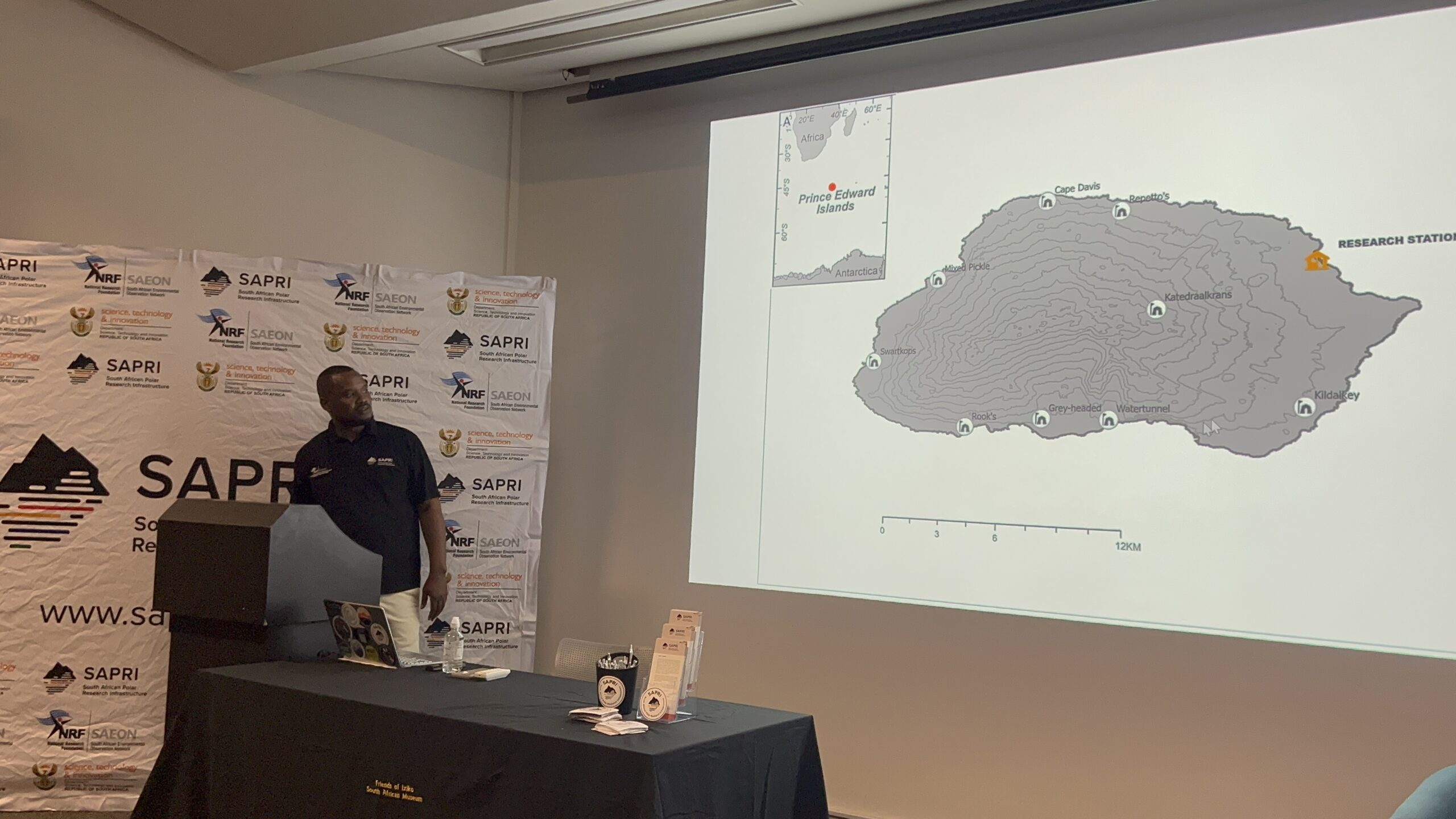
He explored Marion Island’s history from the early 1800s, when commercial seal hunting for fur and blubber began, through decades of severe exploitation that pushed local seal populations towards extinction. By 1930, the sealing industry was no longer economically viable.
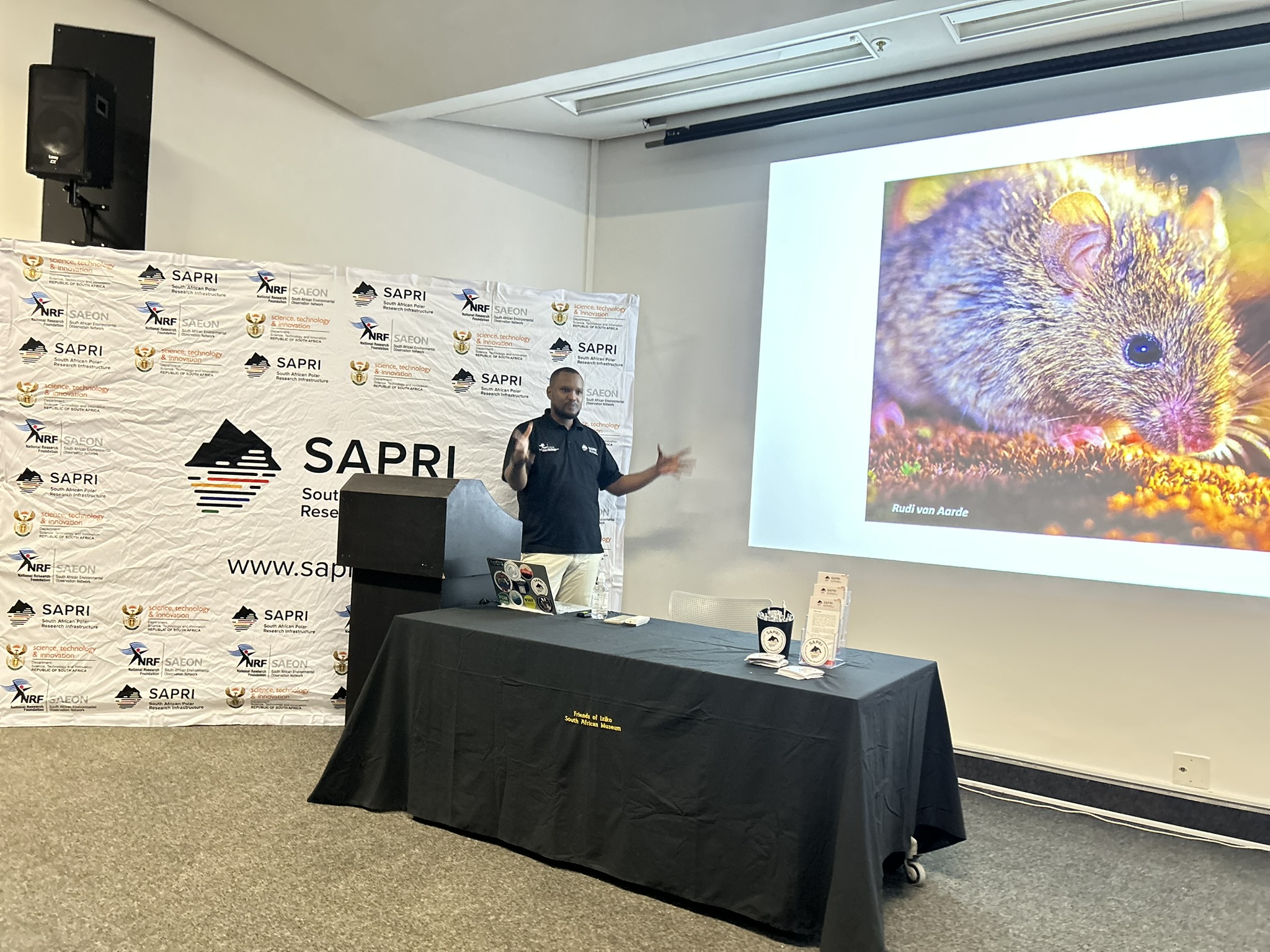
The lecture then traced the islands’ growing connection with South Africa, including their formal incorporation as South African territory and the emergence of scientific research in the 1950s. In 1951/52, early biological studies of seabirds and seals were undertaken, including work by Bob Rand, a member of the M8 expedition.
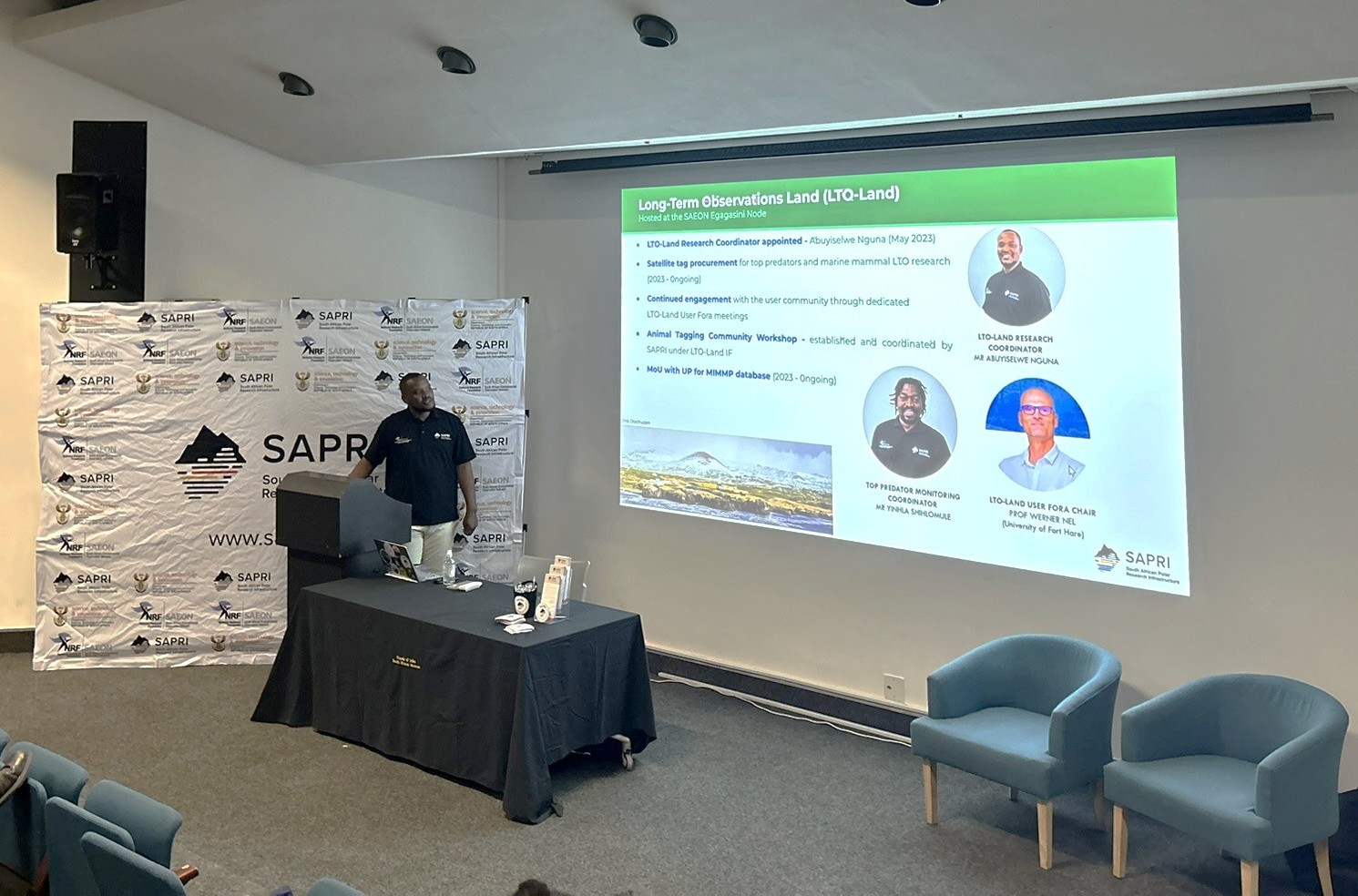
Moving from history to the present, Abu highlighted the importance of long-term scientific observations in understanding and protecting Marion Island’s ecosystems.
He shared how researchers continue to monitor key top predators, including sub-Antarctic Fur Seals, Southern Elephant Seals, Antarctic Fur Seals, Killer Whales, Wandering Albatrosses, Northern Giant Petrels and Grey-headed Albatrosses. These long-term observations provide valuable insights into population changes, ecosystem health and the wider impacts of environmental change.
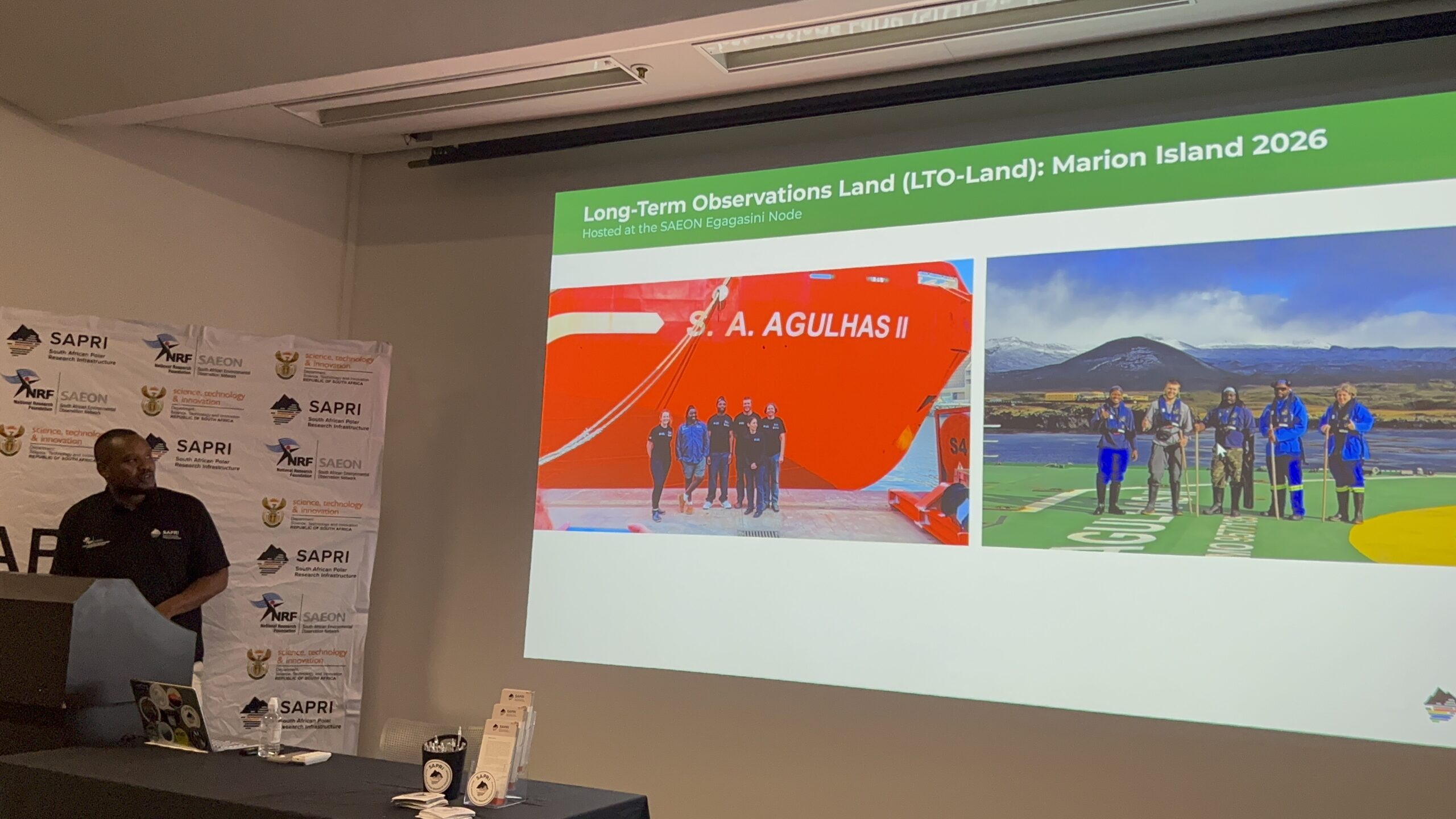
The lecture highlighted how Marion Island’s story has evolved from exploitation to scientific discovery, conservation and stewardship. The audience was visibly intrigued by the island’s history and its connection to South Africa. Questions, conversations and further engagement continued well beyond the formal lecture, reflecting the strong interest and enthusiasm among attendees.
As Heritage Day offers an opportunity to reflect on what we inherit and what we leave behind, Marion Island provides a fitting reminder that South African heritage extends far beyond our cities and cultural landmarks. Heritage is also found in remote islands, scientific journeys, natural environments, and the responsibility we carry to protect these places for generations to come.
A beautiful Heritage Day reflection: Marion Island is part of South Africa’s story and through science, stewardship and continued observation, we can help ensure that its story continues for generations to come.
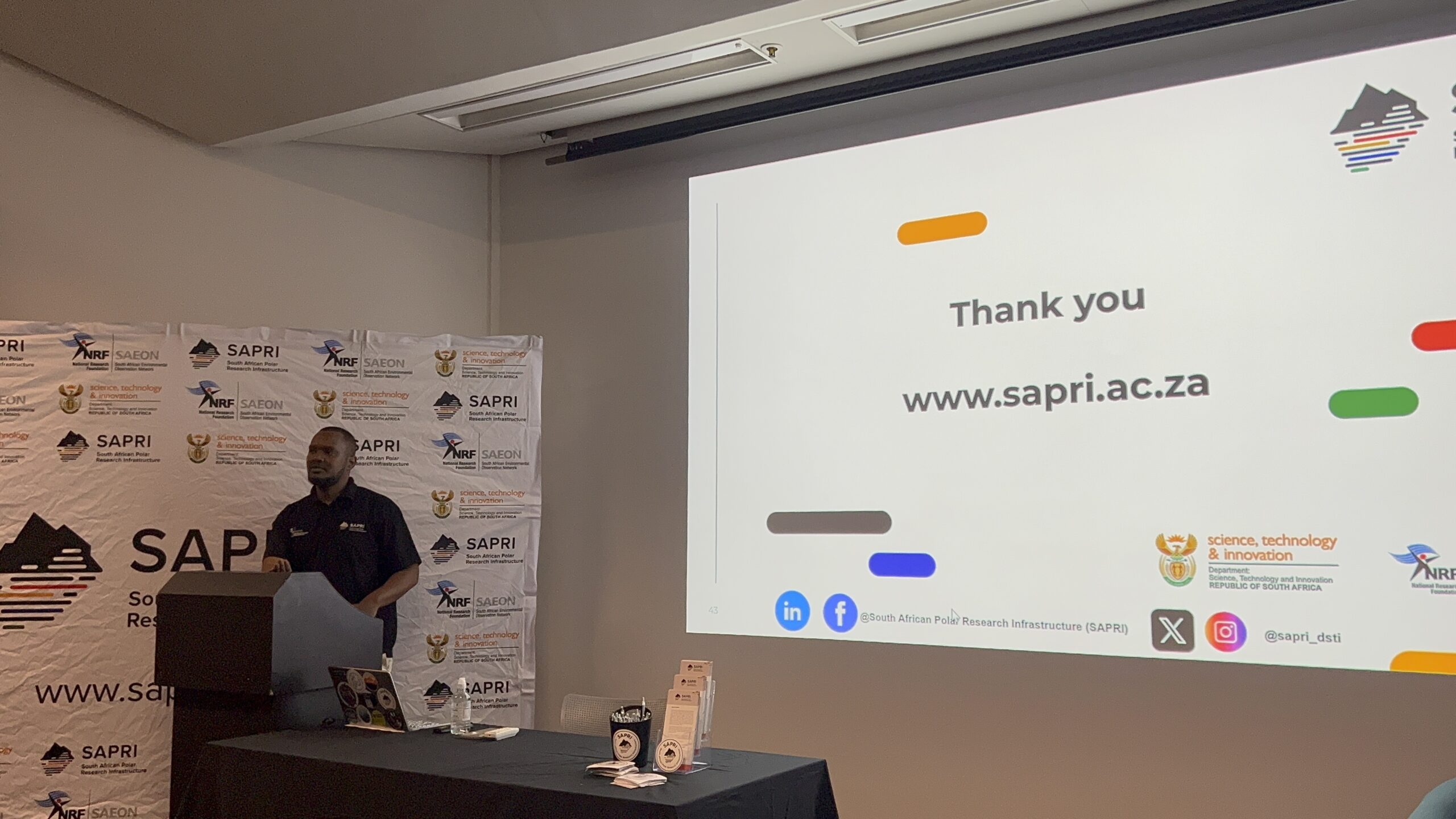
We would like to thank the Iziko South African Museum for the collaboration and for generously providing the venue for this event.
Written by Kelebogile Morwa Mandi Mogotsi (Kelly) (SAPRI)
Rabia Mathakutha, South African Polar Research Infrastructure, 25 September 2026